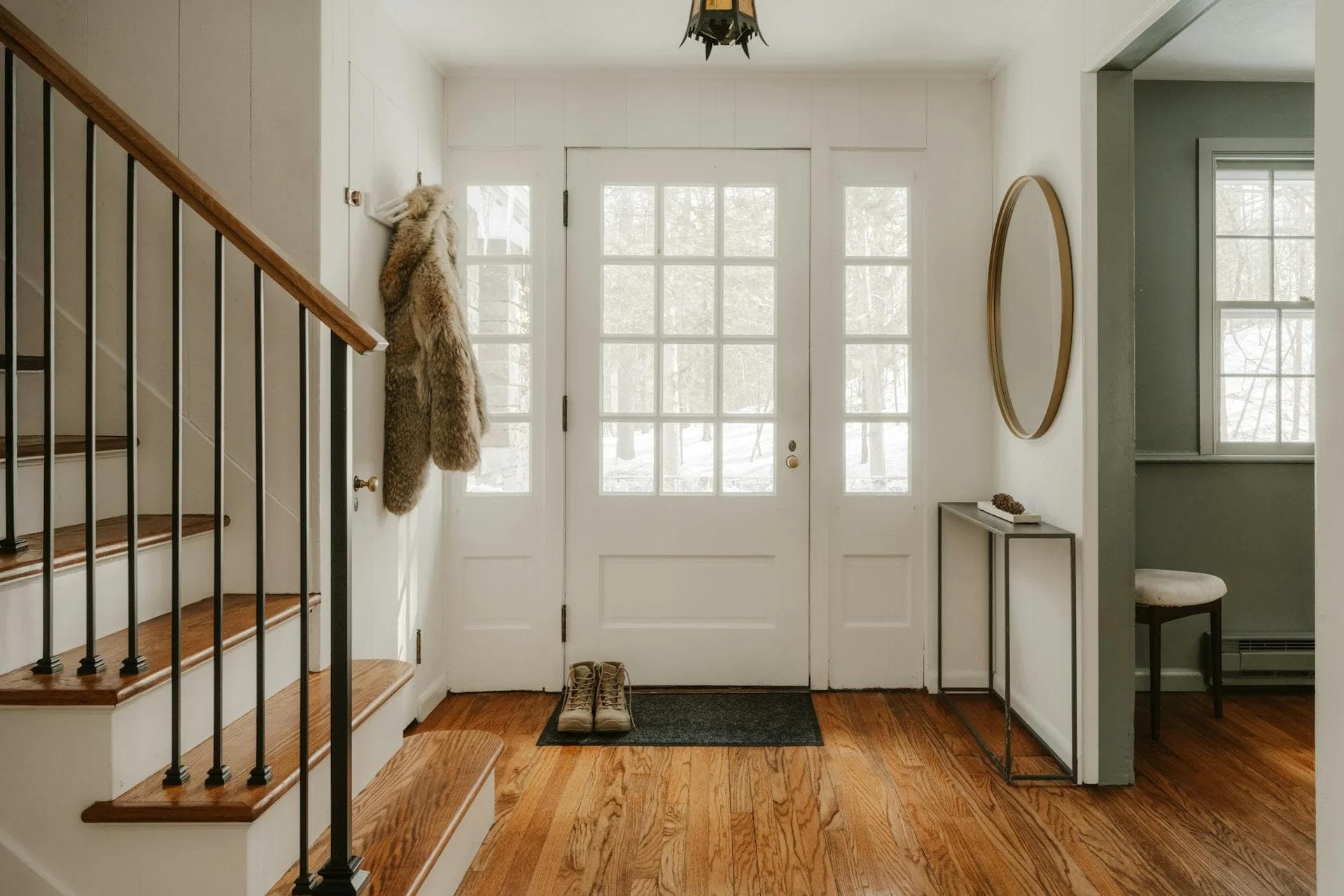
Entryway Decor Ideas That Make a Great First Impression
Transform your home's first impression with these stylish entryway decor ideas. Discover practical storage solutions, timeless design styles, and decorating tips to create a welcoming, organized foyer that blends beauty with everyday functionality.
Some of the links in this post are affiliate links, including from Amazon and other trusted partners. If you click on the link and purchase the item, I may receive a small commission at no extra cost to you. You can learn more here.
Your entryway is more than a place to kick off your shoes—it's the introduction to your home. Whether it's a spacious foyer or a compact hallway, this space creates the first impression for every guest while welcoming you home at the end of each day.
Yet entryways often become clutter magnets, collecting shoes, bags, packages, and loose mail. With a few thoughtful design choices, however, you can transform this hardworking area into a stylish and functional space that reflects the personality of your home.
The secret is balancing beauty with practicality. Smart storage, layered lighting, durable materials, and a design style that flows naturally into the rest of your home will help your entryway stay organized without sacrificing charm. In this guide, you'll discover timeless entryway decor ideas, practical design principles, and seven inspiring styles to help you create a foyer that's both welcoming and functional.
Before choosing furniture or decorative accents, it's important to understand how an entryway functions. No matter your decorating style, every successful foyer relies on three essential principles: lighting, storage, and flow.
1. Maximize Natural and Artificial Light
Entryways are often among the darkest areas of a home because they receive little direct sunlight. Proper lighting immediately makes the space feel larger, brighter, and more inviting.
One of the easiest upgrades is hanging a mirror opposite or beside the front door. Mirrors reflect available light from nearby rooms or sidelights, creating the illusion of a wider hallway.
Layer your lighting instead of relying on a single ceiling fixture.
Consider combining:
A statement pendant or chandelier
A warm table lamp on a console
Soft ambient lighting for evening hours
Warm lighting instantly creates a welcoming atmosphere after sunset while improving visibility during everyday routines.
2. Keep Clutter Hidden with Smart Storage
An attractive entryway quickly loses its appeal if everyday clutter takes over.
Think about what naturally accumulates near your front door.
If you constantly drop keys and mail on the nearest surface, dedicate a decorative tray or bowl specifically for those items.
If shoes pile up every evening, choose solutions like:
Closed shoe cabinets
Storage benches
Large woven baskets
Slim cabinets for narrow hallways
Hidden storage keeps essentials accessible without making the space feel chaotic.
3. Create Comfortable Traffic Flow
A beautiful foyer should always be easy to move through.
Leave approximately 36 inches of clear walking space so doors can open fully and family members can move comfortably through the entrance.
If your front door opens directly into your living room, define the entryway visually by using:
A runner rug
A console table
A storage bench
The back of a sofa
These simple additions create the feeling of a dedicated foyer without adding walls.
Scrolling through Pinterest often makes every design trend look appealing. One day you love sleek minimalism, and the next you're saving cozy bohemian interiors.
Instead of treating your entryway as a completely separate project, let it introduce the style that already exists throughout your home.
Pay attention to recurring details in nearby rooms.
Ask yourself:
Do you gravitate toward warm wood tones or polished metals?
Are your walls bright and neutral or deep and dramatic?
Do you prefer clean lines or layered textures?
Your answers will naturally point toward the style that feels most authentic.
The 80/20 Decorating Rule
If you're torn between two different aesthetics, use the 80/20 rule.
Choose:
80% of your larger furniture pieces in your primary style.
20% of your accessories from a secondary style.
For example, pair a timeless transitional console with industrial lighting or bohemian artwork. The result feels intentional rather than mismatched.
Seven Beautiful Entryway Styles
1. Modern Entryway
Modern interiors embrace simplicity with bold visual impact.
Key characteristics include:
Clean architectural lines
High-contrast color palettes
Matte black finishes
Glass and metal furniture
Minimal accessories
A slim console table topped with a large round mirror instantly creates an elegant focal point. Complete the look with a geometric catchall tray and a sculptural pendant light.
2. Bohemian Entryway
If your goal is warmth and personality, boho style offers a relaxed, collected look full of texture and natural materials.
Start with furniture made from rattan, cane, or distressed wood.
Layer in:
Moroccan-inspired runner rugs
Woven seagrass baskets
Vintage accessories
Houseplants
Handmade ceramics
Snake plants and pothos are excellent additions because they tolerate lower light while bringing life to the space.
Scandinavian interiors prioritize functionality without sacrificing comfort.
Bright walls, pale wood, and practical storage make even compact entryways feel open.
Essential elements include:
White or light neutral walls
Wooden peg rails
Slim vertical shoe cabinets
Cozy textiles
Warm ambient lighting
Adding a faux sheepskin or woven throw introduces the signature Scandinavian feeling of comfort while maintaining a clean aesthetic.
6. Industrial Entryway
Industrial design is inspired by converted warehouses and urban lofts, combining rugged materials with practical functionality. It's an excellent choice for busy households because the finishes are designed to age gracefully.
Bring the look together with:
A reclaimed wood console table
Black metal or pipe-style legs
A grid-style mirror
Wire baskets for shoe storage
Matte black lighting or Edison bulb fixtures
The combination of raw wood, metal accents, and simple décor creates an effortlessly stylish entrance that stands up well to everyday wear.
7. Transitional Entryway
Transitional design blends traditional elegance with contemporary simplicity, making it one of the most versatile styles for modern homes.
Instead of following trends, this style focuses on timeless materials and balanced proportions.
Consider incorporating:
A marble-top console table
Neutral upholstered ottomans
Brushed brass hardware
Linen textures
Simple framed artwork
The result is refined, welcoming, and unlikely to feel dated as trends evolve.
✨ Build Your Dream Entryway with These Handpicked Essentials
Ready to recreate these entryway ideas in your own home? I've rounded up my favorite console tables, mirrors, storage benches, washable rugs, woven baskets, lighting, and decorative accents—all in one easy-to-shop Amazon Ideas List.
Because entryways receive heavy daily traffic, investing in durable materials saves money over time.
When shopping for furniture, prioritize:
Solid hardwood
Powder-coated metal
Sealed stone surfaces
For rugs, look for descriptions such as:
Machine washable
Indoor-outdoor rated
Solution-dyed polypropylene
These materials resist moisture, dirt, and everyday wear while remaining easy to clean.
Final Thoughts
Your entryway should feel like an invitation rather than an afterthought.
By combining thoughtful lighting, hidden storage, durable materials, and a decorating style that reflects the rest of your home, you can create an entrance that's both practical and beautiful.
Remember that great design doesn't happen overnight. Start with one improvement—perhaps a mirror, a runner rug, or a decorative catchall tray—and build from there. Small, intentional upgrades can completely transform the way your home feels every time you walk through the front door.
"Design is not just what it looks like and feels like. Design is how it works." — Steve Jobs
✨ Love These Entryway Ideas? Shop the Complete Collection
Whether your style is modern, Japandi, Scandinavian, boho, or timeless transitional, you'll find beautiful, practical pieces in my curated Amazon storefront. Browse the collection and bring these entryway ideas to life with products I genuinely recommend.
How can I create an entryway if my front door opens directly into the living room?
Use furniture to visually define the space. A console table, runner rug, or the back of a sofa can establish a natural transition between the entrance and the living area without adding walls.
What size mirror should I hang above a console table?
A mirror should generally be about two-thirds the width of the console beneath it. Position the center of the mirror at approximately eye level for balanced proportions.
How do I keep a family entryway organized?
Closed storage is the simplest solution. Shoe cabinets, storage benches, and concealed baskets keep everyday items accessible while maintaining a clean appearance. Encourage every family member to return belongings to their designated storage spot.
Which indoor plants are best for low-light entryways?
Low-maintenance plants that tolerate limited sunlight include:
Snake plants
ZZ plants
Cast-iron plants
These varieties remain attractive with minimal care and help bring natural texture into the space.
How long should an entryway runner rug be?
Choose a runner that leaves approximately 4 to 6 inches of visible flooring along each side. Measure the hallway before purchasing to ensure the rug defines the walking path without interfering with doors or baseboards.